

Build process
Read the build process for Tiny Rails Rollercoaster
Initial prompt
Set out the project brief, its scope, and the intended experience.
Iteration 1
Used ImageGen to establish a nostalgic, miniature visual direction.
Iteration 2
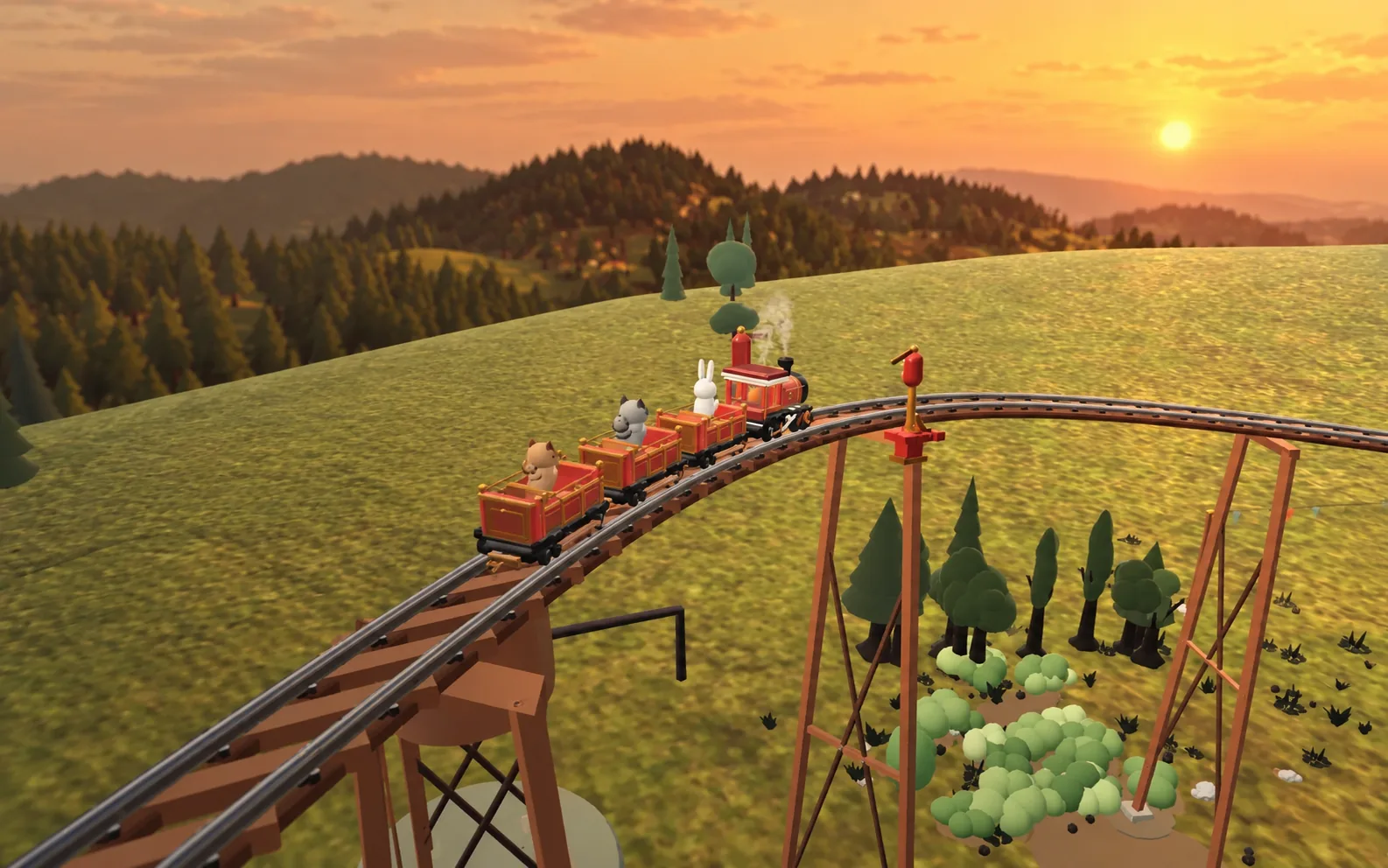
Created the core experience using Three.js: animation, controls, cameras, a train, and a looping track.
Iteration 3
Polished recovery behavior, guardrails, leaning, braking, acceleration, banking, and track geometry.
Iteration 4
Refined performance, animation, textures, fog, lighting, props, foliage, and terrain.
Iteration 5
Transformed the experience into a simulator-style game with Unhinged, limit-pushing, coached, and assisted modes.
Iteration 6
Made the HUD and onboarding simpler, and improved the physical feedback and warnings.
Iteration 7
Introduced three separate two-way junctions, which create eight possible route combinations.
Iteration 8
Ran visual, physics, persistence, responsive, and full-loop QA before deploying every major refinement.
Iteration 9
Followed the same improvement loop throughout: check the current live build, research the problem, define a concrete refinement goal, get critique from subagents, then implement, test, deploy, and go around again.
Final pass
Finished visual, physics, persistence, responsive, and full-loop QA, then shipped the polished miniature coaster experience.
Related projects
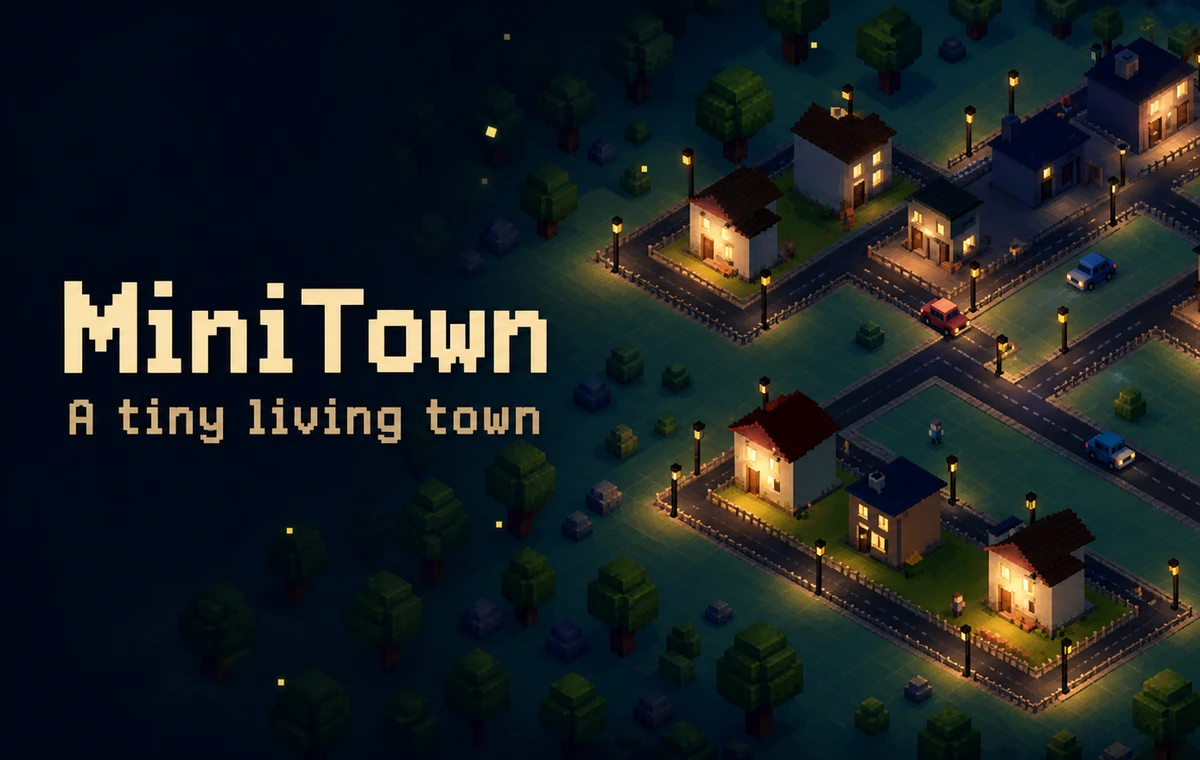
MiniTown
MiniTown is a cozy city simulator from Thomas Ricouard, made with ZeroTwo and...
Backroom Center: Corrupted
Backroom Center: Corrupted is an eerie first-person exploration game...
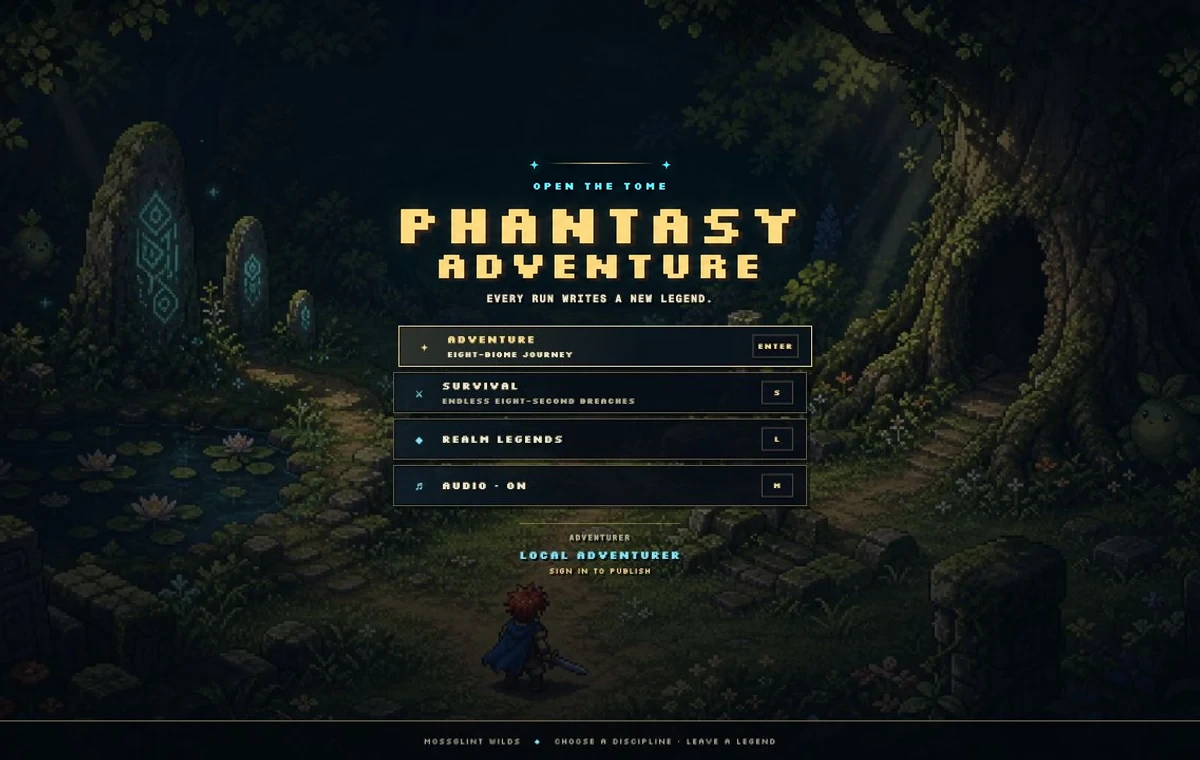
Phantasy Adventure
A top-down action RPG, Phantasy Adventure was made by Thomas Ricouard...